Managing Builders Waste in South West London: A Comprehensive Guide

Understanding Builders Waste
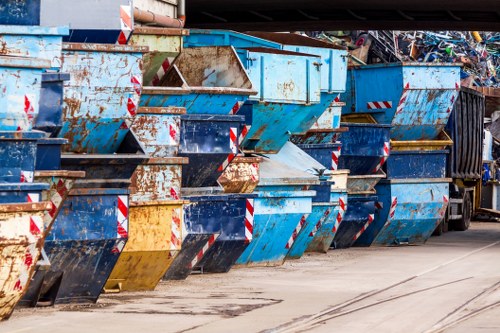
A row of large, open-top industrial skips filled with mixed construction and renovation debris, situated on a paved surface outside a waste management facility in South West London. The skips are made of steel, painted in faded blue and yellow, with visible rust, dirt, and peeling paint reflecting frequent use. Some skips contain broken wood panels, fragments of plasterboard, and assorted waste materials. They are positioned side by side, with a slight incline from left to right, and are aligned along a concrete pathway. Behind the skips, a black waste container and additional waste piles are visible, indicating an active waste collection site. The environment appears to be outdoors under overcast lighting, with no vegetation or natural landscape visible. The scene is typical of rubbish removal operations managed by Waste Clearance South West London, serving local construction and renovation waste disposal needs in this part of South West London, inferred from the postal district and service context.

Builders waste, also known as construction debris, encompasses a wide range of materials generated during construction, renovation, and demolition projects. In South West London, managing this waste effectively is crucial for maintaining urban cleanliness, promoting recycling, and ensuring compliance with local regulations.

Common types of builders waste include concrete, bricks, metal, wood, gypsum, and plastics. Proper disposal and recycling of these materials can significantly reduce the environmental impact of construction activities.

Effective waste management not only helps in preserving the environment but also contributes to cost savings for construction companies by reducing the need for landfill disposals.

Regulations Governing Builders Waste in South West London

Close-up of a person's gloved hand picking up a crushed glass bottle from a patch of dirt, with the person's blue jeans and brown work boots partially visible in the background. A large white rubbish bag is on the right side of the image, suggesting a waste collection or clearance activity taking place outdoors. The ground is a mixture of soil and small grass patches, indicating an outdoor environment, likely in an area where rubbish removal services are needed in South West London. The scene emphasizes attention to safety with glove use during waste handling, consistent with professional rubbish clearance practices by Waste Clearance South West London, serving local needs for builders and general waste disposal.

South West London has specific regulations governing the disposal and recycling of builders waste. It is essential for builders and contractors to be aware of these rules to avoid potential fines and legal issues.

The local council mandates that all construction waste must be sorted and disposed of responsibly. This includes separating recyclable materials such as metal and wood from non-recyclable waste.

Failure to comply with these regulations can result in hefty fines and environmental penalties. Therefore, adhering to local guidelines is not just a legal obligation but also a commitment to sustainable practices.

The Importance of Recycling Builders Waste

A young man wearing a yellow safety helmet and a high-visibility vest stands outdoors among a variety of discarded electronic appliances and office equipment, including old desktop computers, CRT monitors, keyboards, and other electronic waste. The background features a shipping container and industrial buildings, indicating a waste management or clearance site likely in or near South West London. The man is smiling with arms crossed, suggesting a professional approach to rubbish removal. The scene highlights the collection and disposal of electronic waste, commonly managed by waste clearance services such as Waste Clearance South West London, which specialises in rubbish removal solutions in the local area. The cluttered arrangement of electronic items varies in size and condition, with some components showing signs of age, and the setting appears to be an industrial yard or storage area used for waste collection and recycling efforts, with natural lighting casting a clear, neutral tone over the scene.

Recycling builders waste plays a pivotal role in reducing the environmental footprint of construction projects. By reusing materials like metal, wood, and concrete, the demand for new raw materials decreases, conserving natural resources.

Recycling also helps in minimizing the volume of waste sent to landfills, thereby reducing greenhouse gas emissions and mitigating the impact on local ecosystems.

Moreover, many recycled materials can be used in new construction projects, promoting a circular economy and fostering sustainable development in South West London.

Effective Strategies for Builders Waste Management
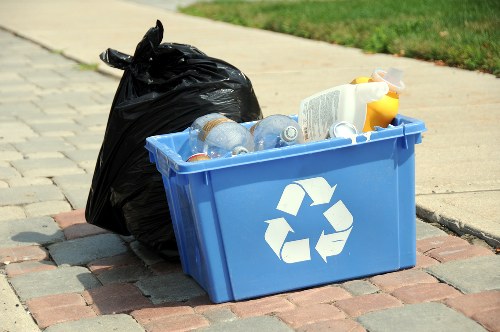
On a paved driveway in an outdoor setting, there are two visible waste containers placed side by side. One is a blue plastic recycling bin with a white recycling symbol on the front, filled with clear plastic bottles, some with labels, and a few other recyclable items. The second container is a black plastic bin positioned slightly behind the blue one, appearing to be filled with general waste. The environment includes a strip of grass along the edge of the driveway in the background, indicating a suburban or residential area, possibly within South West London. The scene is well-lit, suggesting daylight conditions, and the containers appear to be set out for rubbish collection, consistent with a rubbish removal service, possibly operated by Waste Clearance South West London.

Implementing effective waste management strategies is essential for construction companies operating in South West London. Here are some key approaches:

  • Waste Audit: Conducting a waste audit helps in identifying the types and quantities of waste generated, enabling better planning for disposal and recycling.
  • Segregation at Source: Sorting waste at the source ensures that recyclable materials are not contaminated and can be processed efficiently.
  • Partnering with Recycling Facilities: Collaborating with local recycling centers ensures that waste is handled responsibly and in compliance with regulations.
  • Training and Awareness: Educating workers about proper waste management practices enhances overall efficiency and compliance.

Adopting these strategies can lead to a more sustainable and cost-effective construction process.

Choosing the Right Waste Disposal Service

A person wearing a red long-sleeved top and teal gloves is holding a large bundle of yellow and brown autumn leaves, which are being collected for rubbish removal. The leaves are piled together in a dense cluster, with some showing signs of decay or dryness. The individual is standing outdoors on a grassy area with scattered fallen leaves visible on the ground. To the left, a green-handled garden rake is partially visible, leaning against a wheelbarrow that is positioned nearby, with more leaves resting inside it. The scene suggests a garden cleanup in progress, likely on a residential property in South West London, coordinated by Waste Clearance South West London, specializing in rubbish removal services. Bright natural lighting highlights the vibrant autumn colors, and the overall environment appears to be a well-maintained outdoor space, ready for waste collection and disposal.

Selecting a reliable waste disposal service is critical for managing builders waste in South West London. Consider the following factors when making your choice:

  1. Licensing and Accreditation: Ensure that the service provider is licensed and accredited to handle construction waste.
  2. Recycling Capabilities: Choose a company that prioritizes recycling and has the facilities to process various types of builders waste.
  3. Pricing and Contracts: Compare pricing structures and contract terms to find a service that fits your budget and project requirements.
  4. Reputation and Reviews: Look for providers with positive reviews and a strong reputation in the South West London area.

Partnering with the right disposal service can streamline your waste management process and ensure compliance with local regulations.

Benefits of Professional Builders Waste Management

A row of large, open-top industrial skips filled with mixed construction and renovation debris, situated on a paved surface outside a waste management facility in South West London. The skips are made of steel, painted in faded blue and yellow, with visible rust, dirt, and peeling paint reflecting frequent use. Some skips contain broken wood panels, fragments of plasterboard, and assorted waste materials. They are positioned side by side, with a slight incline from left to right, and are aligned along a concrete pathway. Behind the skips, a black waste container and additional waste piles are visible, indicating an active waste collection site. The environment appears to be outdoors under overcast lighting, with no vegetation or natural landscape visible. The scene is typical of rubbish removal operations managed by Waste Clearance South West London, serving local construction and renovation waste disposal needs in this part of South West London, inferred from the postal district and service context.

Engaging professional builders waste management services offers numerous benefits:

  • Efficiency: Professionals have the expertise and resources to handle waste promptly and effectively.
  • Compliance: Ensures adherence to local laws and environmental regulations.
  • Cost-Effective: Reduces the need for expensive internal waste management systems.
  • Environmental Stewardship: Promotes sustainable practices and reduces the environmental impact of construction activities.

These advantages make professional waste management an invaluable asset for construction projects in South West London.

Innovative Solutions for Builders Waste

Close-up of a person's gloved hand picking up a crushed glass bottle from a patch of dirt, with the person's blue jeans and brown work boots partially visible in the background. A large white rubbish bag is on the right side of the image, suggesting a waste collection or clearance activity taking place outdoors. The ground is a mixture of soil and small grass patches, indicating an outdoor environment, likely in an area where rubbish removal services are needed in South West London. The scene emphasizes attention to safety with glove use during waste handling, consistent with professional rubbish clearance practices by Waste Clearance South West London, serving local needs for builders and general waste disposal.

Innovation in waste management is driving more sustainable practices in the construction industry. Some of the latest solutions include:

  • Modular Construction: Reduces waste by using prefabricated components that minimize on-site material excess.
  • 3D Printing: Allows for precise material usage, decreasing the amount of waste generated.
  • Waste-to-Energy Technologies: Converts non-recyclable waste into energy, providing a sustainable disposal method.
  • Smart Waste Management Systems: Utilize technology to track and optimize waste collection and recycling processes.

Embracing these innovations can lead to more efficient and environmentally friendly waste management practices in South West London.

Cost Implications of Builders Waste Disposal

A young man wearing a yellow safety helmet and a high-visibility vest stands outdoors among a variety of discarded electronic appliances and office equipment, including old desktop computers, CRT monitors, keyboards, and other electronic waste. The background features a shipping container and industrial buildings, indicating a waste management or clearance site likely in or near South West London. The man is smiling with arms crossed, suggesting a professional approach to rubbish removal. The scene highlights the collection and disposal of electronic waste, commonly managed by waste clearance services such as Waste Clearance South West London, which specialises in rubbish removal solutions in the local area. The cluttered arrangement of electronic items varies in size and condition, with some components showing signs of age, and the setting appears to be an industrial yard or storage area used for waste collection and recycling efforts, with natural lighting casting a clear, neutral tone over the scene.

Managing builders waste involves various costs, which can impact the overall budget of a construction project. Key cost factors include:

  • Disposal Fees: Charges for transporting and disposing of waste materials vary based on volume and type.
  • Recycling Costs: Fees associated with recycling certain materials may differ from standard disposal costs.
  • Permit Fees: Obtaining the necessary permits for waste disposal can incur additional expenses.
  • Internal Management: Costs related to segregating and handling waste on-site.

Effective waste management planning can help mitigate these costs by optimizing disposal methods and maximizing recycling opportunities.

Environmental Impact of Builders Waste

On a paved driveway in an outdoor setting, there are two visible waste containers placed side by side. One is a blue plastic recycling bin with a white recycling symbol on the front, filled with clear plastic bottles, some with labels, and a few other recyclable items. The second container is a black plastic bin positioned slightly behind the blue one, appearing to be filled with general waste. The environment includes a strip of grass along the edge of the driveway in the background, indicating a suburban or residential area, possibly within South West London. The scene is well-lit, suggesting daylight conditions, and the containers appear to be set out for rubbish collection, consistent with a rubbish removal service, possibly operated by Waste Clearance South West London.

The environmental impact of builders waste is significant, affecting air quality, soil health, and water resources. Improper disposal can lead to:

  • Pollution: Leaching of harmful substances into soil and water bodies.
  • Habitat Destruction: Landfill sites can disrupt local ecosystems and wildlife habitats.
  • Greenhouse Gas Emissions: Decomposition of organic waste in landfills generates methane, a potent greenhouse gas.
  • Resource Depletion: Extracting new materials increases the strain on natural resources.

Responsible waste management practices are essential to minimize these environmental impacts and promote a healthier ecosystem in South West London.

Future Trends in Builders Waste Management

A person wearing a red long-sleeved top and teal gloves is holding a large bundle of yellow and brown autumn leaves, which are being collected for rubbish removal. The leaves are piled together in a dense cluster, with some showing signs of decay or dryness. The individual is standing outdoors on a grassy area with scattered fallen leaves visible on the ground. To the left, a green-handled garden rake is partially visible, leaning against a wheelbarrow that is positioned nearby, with more leaves resting inside it. The scene suggests a garden cleanup in progress, likely on a residential property in South West London, coordinated by Waste Clearance South West London, specializing in rubbish removal services. Bright natural lighting highlights the vibrant autumn colors, and the overall environment appears to be a well-maintained outdoor space, ready for waste collection and disposal.

The future of builders waste management is poised for significant advancements, driven by technological innovations and increasing environmental awareness. Anticipated trends include:

  • Circular Economy Models: Emphasizing the reuse and recycling of materials to create a closed-loop system.
  • Automation and AI: Enhancing waste sorting and processing through advanced technologies.
  • Sustainable Materials: Development of eco-friendly building materials that generate less waste.
  • Policy Enhancements: Stricter regulations and incentives to promote sustainable waste management practices.

Staying informed about these trends will help construction companies in South West London adapt and implement more effective waste management strategies.

Choosing Eco-Friendly Disposal Options

A row of large, open-top industrial skips filled with mixed construction and renovation debris, situated on a paved surface outside a waste management facility in South West London. The skips are made of steel, painted in faded blue and yellow, with visible rust, dirt, and peeling paint reflecting frequent use. Some skips contain broken wood panels, fragments of plasterboard, and assorted waste materials. They are positioned side by side, with a slight incline from left to right, and are aligned along a concrete pathway. Behind the skips, a black waste container and additional waste piles are visible, indicating an active waste collection site. The environment appears to be outdoors under overcast lighting, with no vegetation or natural landscape visible. The scene is typical of rubbish removal operations managed by Waste Clearance South West London, serving local construction and renovation waste disposal needs in this part of South West London, inferred from the postal district and service context.

Opting for eco-friendly disposal methods is essential for sustainable builders waste management. Some environmentally conscious options include:

  • Recycling: Sorting and processing materials to be reused in new construction projects.
  • Composting: Converting organic waste into nutrient-rich compost for landscaping and agricultural use.
  • Donating: Giving away usable materials to community projects or charitable organizations.
  • Energy Recovery: Utilizing non-recyclable waste to generate energy through processes like incineration.

Implementing these eco-friendly options helps reduce the carbon footprint of construction activities and promotes a more sustainable environment in South West London.

Best Practices for On-Site Waste Management

Close-up of a person's gloved hand picking up a crushed glass bottle from a patch of dirt, with the person's blue jeans and brown work boots partially visible in the background. A large white rubbish bag is on the right side of the image, suggesting a waste collection or clearance activity taking place outdoors. The ground is a mixture of soil and small grass patches, indicating an outdoor environment, likely in an area where rubbish removal services are needed in South West London. The scene emphasizes attention to safety with glove use during waste handling, consistent with professional rubbish clearance practices by Waste Clearance South West London, serving local needs for builders and general waste disposal.

Maintaining effective waste management on construction sites involves several best practices:

  • Designated Waste Areas: Establishing specific zones for different types of waste to streamline sorting and collection.
  • Regular Waste Audits: Monitoring waste generation and disposal to identify areas for improvement.
  • Training Personnel: Ensuring all workers understand proper waste handling procedures.
  • Minimizing Waste: Implementing techniques to reduce material waste during construction.

Adhering to these practices ensures efficient waste management and compliance with local regulations.

Impact of Builders Waste on Public Health

A young man wearing a yellow safety helmet and a high-visibility vest stands outdoors among a variety of discarded electronic appliances and office equipment, including old desktop computers, CRT monitors, keyboards, and other electronic waste. The background features a shipping container and industrial buildings, indicating a waste management or clearance site likely in or near South West London. The man is smiling with arms crossed, suggesting a professional approach to rubbish removal. The scene highlights the collection and disposal of electronic waste, commonly managed by waste clearance services such as Waste Clearance South West London, which specialises in rubbish removal solutions in the local area. The cluttered arrangement of electronic items varies in size and condition, with some components showing signs of age, and the setting appears to be an industrial yard or storage area used for waste collection and recycling efforts, with natural lighting casting a clear, neutral tone over the scene.

Improper management of builders waste can have adverse effects on public health. Potential risks include:

  • Air Pollution: Dust and fumes from construction waste can contribute to respiratory issues.
  • Water Contamination: Hazardous materials leaching into water sources can pose serious health risks.
  • Soil Degradation: Contaminants in the soil can affect local agriculture and pose health hazards.
  • Pest Infestations: Accumulated waste attracts pests, which can spread diseases.

Effective waste management is crucial to safeguarding the health and well-being of communities in South West London.

Case Studies: Successful Waste Management in South West London

On a paved driveway in an outdoor setting, there are two visible waste containers placed side by side. One is a blue plastic recycling bin with a white recycling symbol on the front, filled with clear plastic bottles, some with labels, and a few other recyclable items. The second container is a black plastic bin positioned slightly behind the blue one, appearing to be filled with general waste. The environment includes a strip of grass along the edge of the driveway in the background, indicating a suburban or residential area, possibly within South West London. The scene is well-lit, suggesting daylight conditions, and the containers appear to be set out for rubbish collection, consistent with a rubbish removal service, possibly operated by Waste Clearance South West London.

Several construction projects in South West London have successfully implemented effective builders waste management practices. These case studies highlight the benefits of proper waste handling:

  • Project A: Utilized comprehensive recycling programs, reducing landfill waste by 60%.
  • Project B: Implemented on-site waste segregation, leading to cost savings on disposal fees.
  • Project C: Partnered with local recycling facilities, promoting a circular economy and enhancing sustainability.

These examples demonstrate how strategic waste management can lead to significant environmental and economic benefits.

Technological Advancements in Waste Disposal

A person wearing a red long-sleeved top and teal gloves is holding a large bundle of yellow and brown autumn leaves, which are being collected for rubbish removal. The leaves are piled together in a dense cluster, with some showing signs of decay or dryness. The individual is standing outdoors on a grassy area with scattered fallen leaves visible on the ground. To the left, a green-handled garden rake is partially visible, leaning against a wheelbarrow that is positioned nearby, with more leaves resting inside it. The scene suggests a garden cleanup in progress, likely on a residential property in South West London, coordinated by Waste Clearance South West London, specializing in rubbish removal services. Bright natural lighting highlights the vibrant autumn colors, and the overall environment appears to be a well-maintained outdoor space, ready for waste collection and disposal.

Advancements in technology are revolutionizing builders waste disposal in South West London. Key technological innovations include:

  • Automated Sorting Systems: Enhance the efficiency and accuracy of waste segregation.
  • Mobile Apps: Facilitate real-time tracking and management of waste disposal processes.
  • Advanced Recycling Techniques: Improve the quality and variety of materials that can be recycled.
  • Data Analytics: Provide insights into waste generation patterns, enabling better management decisions.

Integrating these technologies can lead to more effective and sustainable waste management practices in the construction industry.

Community Involvement in Waste Management

A row of large, open-top industrial skips filled with mixed construction and renovation debris, situated on a paved surface outside a waste management facility in South West London. The skips are made of steel, painted in faded blue and yellow, with visible rust, dirt, and peeling paint reflecting frequent use. Some skips contain broken wood panels, fragments of plasterboard, and assorted waste materials. They are positioned side by side, with a slight incline from left to right, and are aligned along a concrete pathway. Behind the skips, a black waste container and additional waste piles are visible, indicating an active waste collection site. The environment appears to be outdoors under overcast lighting, with no vegetation or natural landscape visible. The scene is typical of rubbish removal operations managed by Waste Clearance South West London, serving local construction and renovation waste disposal needs in this part of South West London, inferred from the postal district and service context.

Engaging the local community in waste management efforts enhances the effectiveness of builders waste disposal. Community involvement can include:

  • Awareness Campaigns: Educating residents and businesses about the importance of proper waste management.
  • Recycling Programs: Encouraging participation in local recycling initiatives.
  • Collaboration with Local Organizations: Partnering with community groups to promote sustainable practices.
  • Volunteer Opportunities: Involving community members in waste clean-up and recycling activities.

Such initiatives foster a collective responsibility towards maintaining a clean and sustainable environment in South West London.

Conclusion

Close-up of a person's gloved hand picking up a crushed glass bottle from a patch of dirt, with the person's blue jeans and brown work boots partially visible in the background. A large white rubbish bag is on the right side of the image, suggesting a waste collection or clearance activity taking place outdoors. The ground is a mixture of soil and small grass patches, indicating an outdoor environment, likely in an area where rubbish removal services are needed in South West London. The scene emphasizes attention to safety with glove use during waste handling, consistent with professional rubbish clearance practices by Waste Clearance South West London, serving local needs for builders and general waste disposal.

Effective management of builders waste in South West London is essential for environmental sustainability, regulatory compliance, and economic efficiency. By understanding the types of waste, adhering to local regulations, and implementing best practices, construction projects can significantly reduce their environmental impact.

Embracing recycling, partnering with reliable disposal services, and leveraging technological advancements are key strategies for successful waste management. Additionally, involving the community and adopting innovative solutions can further enhance sustainability efforts.

Contact us today to learn more about how we can help you manage builders waste efficiently and sustainably in South West London. Book your service now and take a step towards a greener future.

Frequently Asked Questions

Our team utilizes state-of-the-art equipment, including industrial dumpsters and compactors, to efficiently handle and transport builders waste. We follow industry best practices to ensure safe and effective waste removal. Contact our team for a quick quote and experience our professional service.

Yes, we are accredited by the National Waste Management Association, ensuring we adhere to the highest industry standards. Our certifications demonstrate our commitment to quality and reliability. Contact our team for a quick quote and trusted waste management solutions.

Absolutely. We are fully certified and insured, complying with all legal requirements for builders waste removal. Our insurance protects your property and our team, giving you peace of mind. Contact our team for a quick quote and secure waste management services.

We proudly recycle over 75% of builders waste, minimizing landfill impact and promoting sustainability. Our processes ensure materials are sorted and recycled properly. Contact our team for a quick quote and eco-friendly waste solutions.

With over 15 years of experience, our licensed team has a proven track record of reliable and efficient builders waste removal. We prioritize customer trust and satisfaction in every project. Contact our team for a quick quote and join our satisfied clients.

Yes, we offer competitive pricing with no hidden fees, ensuring affordable builders waste removal for all budgets. Our transparent quotes make it easy to understand costs upfront. Contact our team for a quick quote and cost-effective solutions.

Safety is our top priority. Our trained professionals follow strict safety protocols and use appropriate equipment to handle builders waste securely. We ensure a safe environment for both our team and your site. Contact our team for a quick quote and safe waste management.

Absolutely. We offer licensed builders waste removal services across multiple regions. Simply contact us with your location, and we’ll provide reliable service near you. Contact our team for a quick quote and local waste management solutions.

We adhere to ethical practices by ensuring proper disposal, recycling, and minimizing environmental impact. Our commitment to integrity ensures responsible builders waste management. Contact our team for a quick quote and ethical waste solutions.

Getting a quote is easy! Simply reach out to our team with your project details, and we’ll provide a prompt and reliable estimate tailored to your needs. Contact our team for a quick quote and efficient waste removal services.

Our combination of experience, professional equipment, certifications, and commitment to sustainability makes us the best choice. We ensure efficient, reliable, and environmentally responsible builders waste removal. Contact our team for a quick quote and top-tier services.

Yes, we tailor our builders waste removal plans to match the specific needs and sizes of your projects, ensuring efficient and cost-effective solutions. Whether small or large, we’ve got you covered. Contact our team for a quick quote and customized waste management.
Waste Clearance South West London

A comprehensive guide on managing builders waste in South West London, covering regulations, recycling, cost implications, environmental impact, and future trends, with actionable strategies and best practices.

Book Your Service Now

Get In Touch With Us.

Please fill out the form below to send us an email and we will get back to you as soon as possible.