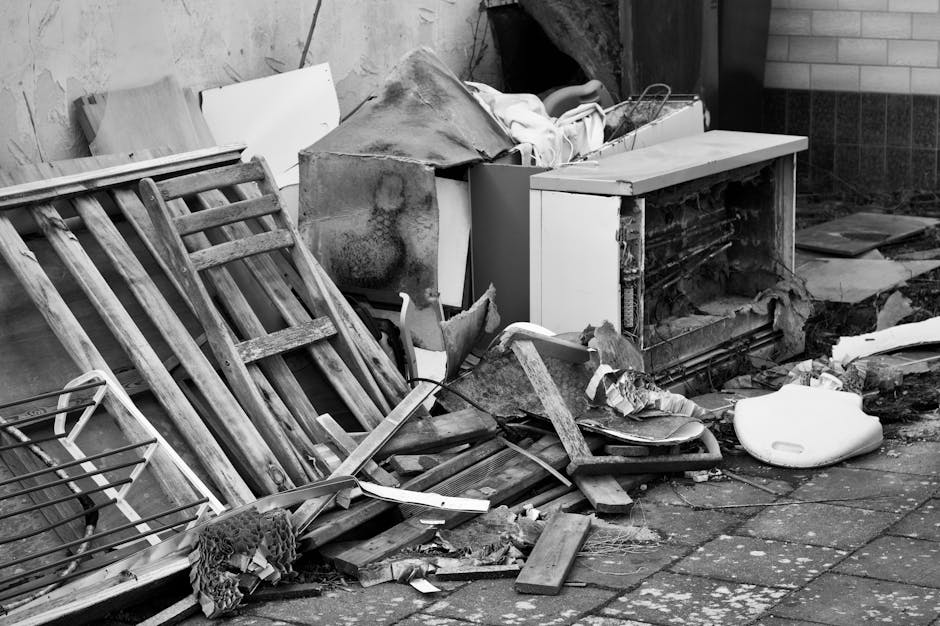
Putney SW15 Bulky Rubbish Clearance for Gardens and Flats
If you are dealing with a broken wardrobe in a top-floor flat, a sagging garden shed full of damp timber, or a pile of awkward items that just won't fit in the boot, Putney SW15 bulky rubbish clearance for gardens and flats can take a lot of pressure off your week. It is one of those jobs that looks simple from a distance and then gets messy fast: tight stairwells, shared entrances, wet grass, heavy bits of furniture, and a neighbour who understandably does not want old carpet leaning against the railings by Tuesday afternoon.
This guide breaks down what bulky rubbish clearance actually involves in Putney, how it works in real life, what to expect for gardens and flats, and how to avoid the usual headaches. You will also find a clear checklist, a practical comparison table, and a few grounded tips from the kind of jobs where timing, access, and common sense matter just as much as lifting power.
Why Putney SW15 Bulky Rubbish Clearance for Gardens and Flats Matters
Bulky rubbish is not the same as a few bin bags. It is the kind of waste that blocks hallways, clutters patios, and quietly becomes a safety issue if you leave it too long. In Putney SW15, that often means items that are hard to move through period flats, mansion blocks, maisonettes, and garden access routes that are a bit narrower than you hoped. You know the sort of place: one awkward turn on the stairs and suddenly a mattress is stuck sideways. Not ideal.
For garden spaces, bulky waste can build up after a redesign, a clear-out, or simply years of "we'll deal with that later." Broken fencing, old plant pots, rot-proof sleepers, rusted barbecue frames, torn garden furniture, and bags of soil or mixed debris can all take over quickly. For flats, it is usually furniture, white goods, old shelving, boxed clutter, or items left after a move. The problem is not just visual. It affects access, fire safety, cleaning, and how easy it is for everyone else in the building to move around.
Putney also has the usual London reality: limited parking, busy streets, shared entrances, and a lot of properties where moving bulky items takes planning. A good clearance job is not only about removal. It is about doing it cleanly, without upsetting neighbours, damaging walls, or leaving the place looking worse before it looks better.
Practical takeaway: bulky rubbish clearance matters because it restores usable space, reduces stress, and stops a small mess turning into a bigger problem. In flats and gardens especially, access and timing make all the difference.
People often search for "bulky rubbish clearance" when they really need a wider service such as flat clearance, garden clearance, or general rubbish clearance. That is fair enough. The terms overlap, and in practice the job often does too.
How Putney SW15 Bulky Rubbish Clearance for Gardens and Flats Works
Most clearance jobs follow a similar pattern, but the details matter. First comes the assessment. That may be done from photos, a phone description, or an on-site look if the job is more involved. The point is to understand what needs removing, how much there is, where it is stored, and how easy it is to get it out.
Then comes access planning. For a flat, that means lifts, staircases, narrow landings, parking bays, entry codes, and whether items need dismantling. For a garden, it is more about paths, side access, rear gates, uneven ground, and whether wet weather has turned the lawn into a soft patchy mess. One muddy wheel track can ruin a neat garden, so route planning matters more than people think.
After that, the team loads the items, sorts what can be handled separately, and clears the area. Reusable furniture may be set aside where appropriate, while other waste is handled for disposal in line with normal UK waste management practice. If the job includes mixed household items, old furniture, or garden debris, services like furniture disposal, sofa removal, or waste removal may be the better fit depending on the load.
The key thing is that a proper bulky clearance is not a random pickup. It is a managed removal. That means safer lifting, less chance of damage, and less of the "where on earth do we put this now?" moment that happens when jobs are half-planned.
Key Benefits and Practical Advantages
There are obvious benefits, and then there are the ones people only notice after the job is done. The obvious one is space. A cleared garden feels larger immediately. A flat without old furniture wedged in corners feels calmer straight away. But there are a few other wins worth spelling out.
- Safer access: clear stairways, landings, paths, and patio areas reduce trip hazards.
- Less stress: no need to borrow a van, find helpers, or wrestle a sofa through a doorway at 7pm.
- Better presentation: useful if you are letting, selling, redecorating, or simply trying to enjoy your home again.
- Cleaner finish: a proper clearance should leave the area swept and tidy, not half-finished.
- Less neighbour friction: in shared buildings, a planned removal is usually much easier on everyone than leaving clutter in communal spaces.
For landlords and managing agents, bulky rubbish removal can also reduce complaints and help preserve the condition of common areas. For homeowners, it often removes that nagging weekend job that somehow keeps getting bumped down the list. We have all been there, truth be told.
If the waste is part of a broader property clear-out, it can help to look at related services such as home clearance or house clearance. Those are especially useful when bulky waste is only one part of the job.
Who This Is For and When It Makes Sense
This kind of clearance makes sense for a wide range of people. A flat owner who is replacing old furniture. A tenant moving out and needing the place cleared before handover. A family trying to reclaim a cluttered garden before summer, or before the rain sets in and everything gets even heavier. A landlord dealing with an end-of-tenancy left behind. A small business that has ended up with excess stock or broken office furniture. Different situations, same basic problem: too much bulky stuff, not enough easy way to remove it.
It is also a good option when the items are too awkward for standard council collection rules, too numerous for a simple van trip, or too heavy to move safely without proper help. That is often the real dividing line. If you find yourself thinking, "I could probably move that chair, but not the wardrobe, and certainly not both," then a professional clearance starts to look sensible very quickly.
Typical situations include:
- Garden waste after landscaping or heavy pruning
- Broken outdoor furniture and barbecues
- Mattresses, sofas, wardrobes, and bookcases from flats
- Garage overflow that has drifted into the hallway, somehow
- Mixed bulky waste after a move, refurbishment, or declutter
For garages and mixed storage spaces, garage clearance can be a more targeted service. For small business premises, business waste or office clearance may be more suitable. It depends on what you are clearing, not just where it sits.
Step-by-Step Guidance
If you want the process to run smoothly, it helps to think like the person doing the lifting. Here is a practical way to prepare.
- List what needs removing. Be specific. "Garden clutter" is useful, but "two broken sun loungers, a shed shelf, five rubble bags, and an old table" is better.
- Separate special items. If there are items that may need individual handling, note them clearly. Mixed loads can be managed, but clarity saves time.
- Check access. Stair height, door width, parking space, side gate size, and lift availability all matter.
- Take photos. This is especially handy for flats and gardens with awkward access. A quick phone photo can prevent a lot of back-and-forth.
- Clear the route. Move delicate items, open gates, and make sure the path is safe before the team arrives.
- Decide what stays. Be firm about what should not go. It sounds obvious, but it is easy to lose track when a room is full.
- Confirm timing. Morning, school run, loading restrictions, neighbours at home, weather. These small details can make the job much easier.
If the load includes mixed waste, a broader waste clearance approach may be the best fit. For simple load-and-go situations, rubbish collection or waste collection may also be relevant. The right choice depends on volume, type, and access.
A tiny but useful tip: if you live in a flat, tell neighbours or the building manager when large items are due out. It avoids awkward hallway encounters and the classic "I thought that was staying" confusion.
Expert Tips for Better Results
The best bulky rubbish clearances are usually the boringly well-organised ones. Not glamorous, but effective. A few simple habits can save time and reduce damage.
- Photograph everything before the job. It helps set expectations and identify access issues early.
- Group items by type. Garden waste, furniture, and mixed rubbish may need different handling.
- Protect floors and corners. In flats, this matters a lot. Old communal hallways can mark easily.
- Leave a clear exit route. The less the crew has to weave around, the smoother the job runs.
- Be honest about weight and condition. A damp sofa in a cellar is a very different job from a light chair in a living room.
- Choose the right time of day. In busy parts of Putney, earlier slots can be easier for parking and access.
One practical observation from real jobs: if a garden has been left for months, what looks like "just a few items" can hide a lot underneath. Wet leaves, broken pots, old timber, and general mess all add weight. Slightly annoying, yes. But predictable.
It can also help to pair bulky clearance with another service. For example, if you are stripping out a garden and the old fence panels are mixed in with household bits, a builders waste style approach may suit the mixed hard materials better than a simple furniture pickup. Likewise, if a sofa is part of the job, sofa removal keeps the scope focused.
Common Mistakes to Avoid
Most clearance problems come from rushing or underestimating the job. You do not need a perfect plan. Just avoid the common traps.
- Underestimating volume: what looks like a small pile can fill a van quickly.
- Ignoring access issues: narrow stairs, locked gates, and parking restrictions can delay everything.
- Mixing keep and remove items: one wrong lift and something sentimental ends up on the wrong pile. Not fun.
- Leaving wet garden waste too long: it gets heavier, messier, and harder to move.
- Forgetting communal rules: flats often have building-specific expectations about access and timing.
- Choosing purely on speed: quick is useful, but tidy and careful is better.
Another mistake is assuming every bulky item is handled the same way. In reality, old furniture, mattresses, garden debris, and mixed household waste each create slightly different handling challenges. That is why services such as furniture disposal and garden clearance exist as distinct options. They are not just labels, they reflect the job in front of you.
Tools, Resources and Recommendations
You do not need specialist gear to prepare well, but a few basic tools help. A tape measure can be surprisingly useful for checking whether a wardrobe will fit out of the door or whether a table needs to be broken down first. A phone camera helps document what is being removed. Gloves are sensible if you are sorting items before collection, especially in gardens where there may be splinters, thorns, or damp debris.
It also helps to have a simple note of the access details ready. Parking bay, permit need, entry code, gate latch, flat number, stairs only, loft hatch, rear garden access. Tiny bits of information. Big difference on the day.
From a service perspective, the most relevant pages for related needs are rubbish removal, waste removal, and rubbish clearance. If the job is part of a larger emptying project, flat clearance or home clearance may give you a better all-in solution.
If you want to understand the business a bit more before booking, the about us page is a sensible place to learn how a company presents its approach. And if you are ready to speak to someone, use the contact us page rather than guessing at timing or scope. That sounds obvious, but it saves a lot of back-and-forth.
Law, Compliance, Standards, or Best Practice
For bulky rubbish clearance in the UK, best practice matters. Waste should be handled responsibly, not fly-tipped, not left in communal areas, and not dumped where it creates a nuisance or safety hazard. If you are hiring a clearance provider, it is reasonable to expect tidy loading, sensible handling of mixed waste, and proper disposal methods. You do not need to become a waste-law expert, but you do want the work done properly.
In practical terms, that means a few things. Waste should be sorted where appropriate. Hazardous or unusual items should be identified early rather than hidden in a general pile. Access areas should be kept safe. And the site should be left clean enough that you do not feel you need to re-clean the whole space afterwards. That last point sounds simple, but it really is one of the clearest signs that the job was handled well.
For landlords, agents, and occupiers of flats, it is wise to pay attention to building rules on communal spaces, loading times, and lift protection if applicable. In gardens, think about neighbour boundaries, shared paths, and avoiding damage to fences or planted areas. Best practice is often just thoughtful practice, which is a nice change from some jobs, frankly.
If the clearance includes furniture, it may be useful to consider the condition and whether items can be separated for different handling routes. Services such as furniture disposal and waste disposal reflect that practical split. The right approach is the one that keeps the job lawful, tidy, and proportionate to the material involved.
Options, Methods, or Comparison Table
There is more than one way to clear bulky rubbish, and the best choice depends on access, volume, and how quickly you need the space back. Here is a simple comparison.
| Method | Best for | Pros | Limitations |
|---|---|---|---|
| Self-removal | Very small loads, easy access, one or two lightweight items | Can be cheap if you already have transport | Time-consuming, heavy lifting, awkward for flats and gardens |
| Scheduled bulky collection | Moderate items with flexible timing | Useful for planned clear-outs | May be less flexible on timing and item types |
| Professional clearance | Mixed loads, bulky furniture, garden waste, awkward access | Fast, safer, less hassle, usually better for stairs and shared spaces | Can cost more than doing it yourself, though often better value overall |
For many Putney flats and gardens, the third option is the most practical one. Not because it is fancy. Because it solves the access problem. And that, in London, is usually half the battle.
Case Study or Real-World Example
Here is a realistic example. A first-floor flat in Putney had an old sofa, a dismantled shelving unit, two mattresses, and several bags of mixed clutter after a move. The hallway was narrow, the stairwell had a tight bend, and parking outside was limited to a short loading window. The garden at the back also had broken planters and a half-collapsed storage bench that nobody wanted to keep.
Instead of trying to do everything at once and hoping for the best, the job was split into two parts: the flat items first, then the garden clearance through the rear access. The team checked measurements, protected the route, and removed the bulky pieces in a sequence that avoided damage. The result was simple: the flat was ready for cleaning that afternoon, the garden felt usable again, and nobody had to spend the evening dragging a mattress down stairs. Which, honestly, is a win.
That kind of job is a good reminder that bulky rubbish clearance is rarely just about volume. It is about sequence, access, and not making unnecessary work for yourself.
Practical Checklist
Use this checklist before your clearance day. It is simple, but it helps.
- Identify every item to be removed
- Take clear photos of the load and access points
- Check stairways, gates, lifts, and parking space
- Separate anything you want to keep
- Move fragile items away from the route
- Confirm whether the load is mainly furniture, garden waste, or mixed rubbish
- Make sure someone is available to answer access questions if needed
- Tell neighbours or building management if the job may affect shared space
- Keep children and pets away from the clearance area
- Plan a quick clean-up once the bulky waste is gone
If you are clearing a property more broadly, it can be useful to review house clearance as well. For one-room jobs or storage areas, garage clearance may fit better. Match the service to the space, not just the pile.
Conclusion
Putney SW15 bulky rubbish clearance for gardens and flats is really about making awkward waste disappear without creating a second problem in the process. Done well, it restores space, reduces stress, and keeps homes, gardens, and shared buildings safer and easier to live in. The best results come from clear planning, honest access details, and choosing the right type of clearance for the job at hand.
Whether you are dealing with one big sofa, a full garden clear-out, or a mixed flat clearance after a move, the smartest move is usually to keep things simple, be specific about what needs removing, and avoid leaving it until the clutter becomes a bigger job than it needed to be. That small bit of planning saves a lot of hassle later. Really, it does.
Get a free quote today and see how much you can save.
If you are ready to take the pressure off a crowded garden, a cramped hallway, or a flat full of bulky clutter, the next step is straightforward: gather a few details, ask the right questions, and get the job moving. It is a relief when it is done.
Frequently Asked Questions
What counts as bulky rubbish in a Putney flat or garden?
Bulky rubbish usually means large items that do not fit in normal bins, such as sofas, wardrobes, mattresses, garden furniture, fencing, broken shelving, and awkward mixed clutter. In flats, it often includes items that are too large for the stairwell or lift. In gardens, it is often old outdoor furniture, timber, pots, and general heavy debris.
Can bulky rubbish be removed from a top-floor flat?
Yes, provided access is safe and the items can be moved without damaging the property. Narrow staircases, tight bends, and shared hallways are common in London flats, so it helps to measure larger items and give accurate access details in advance.
Do I need to sort garden waste from furniture before collection?
It is usually helpful, yes. Sorting helps the clearance team understand the load and plan the right approach. Mixed waste can still be handled, but separating garden waste from furniture makes the job smoother and less confusing.
Is it better to book a full clearance or just remove one item?
That depends on the situation. One item such as a sofa or mattress may suit a focused removal service. A cluttered flat, a full garden clear-out, or a mixed load is often better handled as a broader clearance. If in doubt, describe everything together and let the scope be assessed properly.
How long does a bulky rubbish clearance usually take?
It varies a lot. A single bulky item can be quick, while a flat full of furniture or a garden with heavy mixed waste can take longer. Access makes a huge difference too. Easy ground-floor access is one thing; a third-floor flat with no lift is another entirely.
What should I do before the team arrives?
Clear the route, separate items to keep, take photos if useful, and make sure access details are ready. If the work affects a shared building, it is sensible to let neighbours or building management know. Small prep, big payoff.
Can bulky rubbish be cleared from gardens with poor access?
Often, yes. Rear gates, side passages, narrow paths, and uneven ground can all be managed with the right planning. The key is to explain access carefully before the job day so the team can prepare properly.
What happens if my flat has stairs only and heavy items?
That is very common in Putney and other parts of London. The items may need careful handling, breaking down, or moving in a specific order. This is where a professional clearance service is especially useful, because the lifting and route planning are part of the job, not an afterthought.
Are furniture removal and bulky rubbish clearance the same thing?
Not exactly. Furniture removal is more specific, while bulky rubbish clearance can include furniture, garden waste, mixed household clutter, and other large items. If your load is mainly furniture, a focused furniture disposal or sofa removal service may be the neatest fit.
What if I am not sure whether my items count as waste or reusable items?
If you are unsure, just describe the items honestly and, if possible, share photos. Some pieces may be reusable, while others are clearly at the end of their life. A good clearance approach is based on what is actually there, not on guesswork.
Is there a difference between rubbish removal and waste disposal?
In everyday language, people use the terms almost interchangeably. In practice, rubbish removal usually refers to taking the items away, while waste disposal is about what happens after collection. Both parts matter, and both should be handled responsibly.
What is the best way to avoid damage in communal hallways?
Protect the route, move items carefully, and do not rush large objects around corners. It also helps to clear the hall in advance and give the team accurate access details. A little caution goes a long way in flats, especially older buildings with narrow shared spaces.