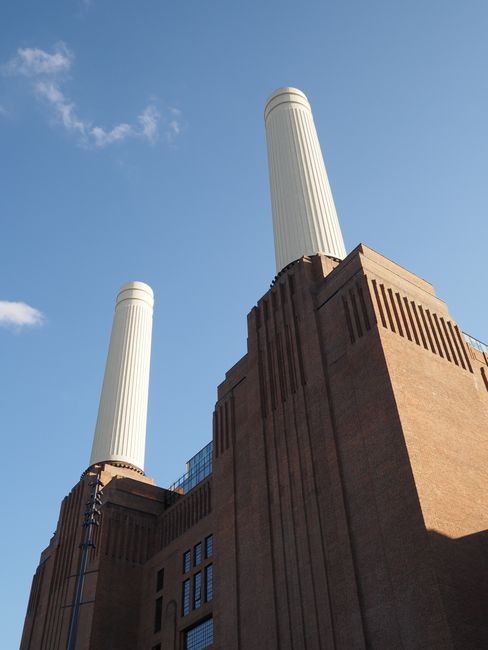
Battersea Power Station SW11 Rubbish Collection Options: A Practical Guide for Homes, Flats and Businesses
Sorting out rubbish around Battersea Power Station SW11 can be surprisingly fiddly. You might be moving out of a riverside flat, clearing packaging after a delivery, or dealing with a half-finished renovation that has left dust, timber and old fittings in the hallway. Whatever the situation, Battersea Power Station SW11 rubbish collection options are worth understanding properly before you choose the quickest-looking solution.
The right approach can save time, keep your building tidy, and reduce the stress that comes with bulky waste, awkward access, or a lift that is already doing too much work. In a busy part of London like this, convenience matters. So does reliability. And, to be fair, so does not leaving a sofa wedged in the corridor while everyone waits for "someone to sort it out".
In this guide, you'll find a clear breakdown of the main rubbish collection choices, when each option makes sense, what to watch out for, and how to pick a service that fits the reality of Battersea Power Station living and working.
Why Battersea Power Station SW11 rubbish collection options Matters
Battersea Power Station is a high-footfall, high-density part of SW11. That matters because waste handling here is not the same as putting a black bag outside a suburban house and calling it a day. You're often dealing with apartments, shared entrances, loading restrictions, concierge procedures, narrow lift access, parking pressure, and neighbours who would very much prefer the corridor stay clear.
Choosing the right rubbish collection option affects more than convenience. It can affect speed, compliance, building harmony, and even whether waste gets removed in one trip or three. If you've ever watched a pile of packaging, broken shelving, or old furniture quietly become "someone else's problem", you'll know how quickly clutter can snowball.
There's also a practical side. In a development like this, different waste streams may need different handling. Mixed household rubbish, old furniture, renovation waste, and office clear-out material all have different best-fit solutions. Picking the wrong one can mean delays, extra handling, or avoidable costs. Nobody wants that, especially on a tight moving day.
Expert summary: the best rubbish collection option in Battersea Power Station SW11 is usually the one that balances access, volume, timing and waste type. Quick is good. Proper is better.
How Battersea Power Station SW11 rubbish collection options Works
Most rubbish collection options in this area fall into a few broad categories: one-off rubbish removal, scheduled waste collection, specialist clearance for specific items, and project-based collections for renovation or business use. The right choice depends on how much waste you have, what the waste is, and how urgently it needs to go.
For a small amount of mixed rubbish, a simple rubbish collection service may be the neatest solution. If the waste is heavier, bulkier or awkward to move, a full rubbish removal or broader waste clearance option may be more appropriate. For a property left with piles after moving, decluttering, or renovation, a more comprehensive service can handle more than just the obvious bagged waste.
The process is usually straightforward:
- You identify the waste and estimate the amount.
- You decide whether it is household rubbish, bulky furniture, builders' waste, or mixed clearance material.
- You check access details such as lift size, parking, floor level, or concierge rules.
- You arrange collection with the right service type.
- The waste is removed and then sorted for disposal or recycling where appropriate.
That sounds simple enough. In practice, the small details matter. A one-bedroom flat with six flat-pack wardrobes worth of cardboard is a different job from a post-refurbishment clear-out with plasterboard, timber offcuts and packaging. Same postcode, very different logistics.
Key Benefits and Practical Advantages
The main reason people look at Battersea Power Station SW11 rubbish collection options is not because they enjoy waste management. Obviously. It's because the right service saves effort and removes friction from an already busy day.
- Faster clearance: useful when you need a property ready for cleaners, handover, trades, or incoming tenants.
- Less physical strain: bulky items like sofas, wardrobes or broken desks are awkward on stairs and in lifts.
- Cleaner shared spaces: important in apartment blocks where waste left in common areas becomes a real nuisance.
- Better control over timing: ideal when you need a same-day or pre-booked collection around a move or delivery.
- More suitable handling: different waste types can be separated, which makes the whole process tidier and often more efficient.
- Reduced risk of mistakes: using the right service helps avoid incorrect disposal and unnecessary repeat trips.
There's a quieter benefit too: peace of mind. Once the waste is gone, the room feels different. Lighter. Less chaotic. You can hear the echo again, which is oddly satisfying in an empty flat at 7:30 in the morning.
Who This Is For and When It Makes Sense
This topic is relevant to a few different groups in SW11, and not just people in the middle of a dramatic flat clear-out.
Residents in apartments near Battersea Power Station
If you live in a flat, your main challenges are usually access and volume. You may only have a small amount of rubbish, but the building rules can make disposal more complicated. Shared bins fill quickly, lifts can be tight, and large items may need a collection arranged rather than carried down yourself.
People moving in or out
Move days are chaotic enough without discovering three broken chairs, old hangers, damaged storage boxes and a mattress nobody claimed. That's a classic point where a flexible collection service helps. A proper flat clearance can be the sensible choice when the whole place needs tidying in one go.
Homeowners and landlords
Landlords often need quick turnarounds between tenancies. Homeowners may be tackling long-delayed decluttering, garage overflow or post-renovation mess. If there is furniture mixed in with general waste, a service such as furniture disposal can be a useful part of the solution.
Offices and commercial units
For businesses, timing and discretion matter. You may need a quiet collection outside trading hours or during a short window between staff and customers. In those cases, a dedicated business waste approach or office clearance makes far more sense than trying to improvise.
Short version: if the waste is too much for your normal bins, too awkward for one person, or too urgent to leave lying around, it's probably time to use a dedicated collection option.
Step-by-Step Guidance
If you want a smooth experience, it helps to treat rubbish collection like a small project rather than a last-minute scramble. A little planning goes a long way.
- Sort the waste first. Separate general rubbish, furniture, electricals, renovation waste and anything that may need special handling.
- Estimate volume honestly. Don't guess too optimistically. That old "it's only a few items" line has trapped more people than I can count.
- Check access conditions. Note the floor level, lift availability, parking restrictions and any concierge instructions.
- Decide what level of service you need. Small mixed waste may suit rubbish clearance; larger mixed loads may need a broader clearance or removal service.
- Prepare the items. Bag loose rubbish, stack cardboard flat, and move items near the exit if it's safe and practical.
- Confirm any special items. Sofas, wardrobes, white goods, garden waste and builders' rubble may need different handling. If you've got a tired old couch, sofa removal can simplify things quickly.
- Book the collection. Choose a time that avoids rush periods, concierge clashes, or delivery windows.
- Keep the route clear. On collection day, clear hallways and try to avoid blocking lifts or communal access.
- Check the area afterwards. A quick final sweep makes sure nothing small gets left behind.
That final sweep sounds obvious, but it catches a surprising amount of stuff: a screwdriver, a broken lamp, one missing shoe. The usual chaos, basically.
Expert Tips for Better Results
In our experience, the smoothest rubbish collections in Battersea Power Station SW11 come down to a few simple habits.
- Bundle similar items together. It saves time and reduces confusion on the day.
- Keep wet and dry waste separate where possible. A damp cardboard pile is a nuisance and not great for handling.
- Take photos before booking. Not for drama, just for clarity. It helps everyone understand the scope.
- Be realistic about bulky waste. A wardrobe can look manageable until you reach the hallway and remember the staircase angle.
- Use the right specialist service. Builders' leftovers are best handled as builders' waste, not treated like household bags.
- Plan for access in advance. A good collection can become awkward if parking, lift use or loading access is left until the last minute.
If you're clearing a garage, storage room or utility space, a specific garage clearance can be smarter than trying to book generic removal for everything. Same logic applies to gardens, where a garden clearance is usually better for soil, cuttings and outdoor clutter.
Small tip, but it matters: put the most awkward items nearest the door first. It makes the final loading sequence feel far less frantic.
Common Mistakes to Avoid
Most collection problems come from trying to save a little time upfront and paying for it later. Not ideal.
- Leaving everything until the last minute. That is how access issues, missed lifts and rushed decisions happen.
- Mixing waste types without checking suitability. Mixed loads are common, but some items should be separated or declared clearly.
- Underestimating bulky waste. One mattress is not the same as a mattress, a bed frame, two chairs and a dismantled wardrobe.
- Ignoring building rules. Battersea developments can be strict about loading bays, timing and communal areas.
- Assuming every service does everything. Some jobs are better suited to home clearance or house clearance than simple rubbish pickup.
- Not asking about disposal handling. You want confidence that the waste will be managed properly, not just whisked away out of sight.
A very common mistake is booking a service that is too small for the job. It seems cheaper at first. Then the collection turns into a second visit, or an awkward "we'll need to come back tomorrow" conversation. Nobody enjoys that one.
Tools, Resources and Recommendations
You do not need fancy tools, but a few simple things make collection day easier.
- Heavy-duty bags for loose waste and light construction debris.
- Tape and labels if you want to separate keep, recycle, donate and remove piles.
- A tape measure for checking furniture fits through doors and lifts before collection day.
- A phone camera to record the waste volume and any access constraints.
- Basic gloves for handling dusty or sharp items safely.
If you're dealing with a business unit, a clear business waste arrangement or an office clearance can help keep operations tidy without distracting staff. For larger full-property jobs, a more complete home clearance or house clearance is often the better fit.
And if you want to understand the wider service range before deciding, the main website is a useful place to compare the available options and see which type of clearance matches your situation.
Law, Compliance, Standards, or Best Practice
Waste handling in the UK is not something to treat casually. You do not need to become a legal expert, but you should know the basics.
As a customer, the sensible best practice is to use a waste collector that can deal with rubbish responsibly and keep proper records where needed. If you are a business or landlord, you have additional responsibilities around safe storage, correct transfer, and making sure waste is passed to the right people. That is standard industry expectation, even when the job itself looks simple.
There are also practical building and local considerations. Battersea Power Station and the surrounding SW11 area may have managed access, concierge oversight, loading schedules and communal space rules. Those are not just annoyances. They are part of how the area works. Respecting them avoids friction and keeps everyone on side.
For bulky items, renovation debris or mixed loads, best practice means being upfront about what is included. If the waste includes broken furniture, packaging, general household rubbish or builders' material, say so clearly. It helps avoid confusion and reduces the chance of a collection delay.
Best-practice reminder: good rubbish collection is not only about removal. It is about doing the job in a way that is safe, clear and considerate to the building around it.
Options, Methods, or Comparison Table
Here's a simple way to compare the main Battersea Power Station SW11 rubbish collection options. The right choice usually becomes obvious once you look at the waste type, volume and access conditions together.
| Option | Best for | Advantages | Watch out for |
|---|---|---|---|
| Rubbish collection | Smaller mixed waste loads | Simple, quick, suitable for everyday clear-outs | May not suit heavy or bulky items |
| Rubbish removal | Heavier or more awkward waste | Handles larger, less convenient loads | Check access and item type in advance |
| Waste clearance | Mixed loads from rooms, flats or storage spaces | More flexible for varied waste types | Needs a clearer description of contents |
| Flat clearance | Moves, end-of-tenancy jobs, decluttering | Good for whole-property tidy-ups | Can be overkill for a few bags only |
| Furniture disposal | Sofas, tables, beds, cupboards | Ideal for bulky household items | Measure access routes before booking |
| Builders' waste | Renovation rubble, timber, offcuts, packaging | Better suited to project leftovers | May need careful segregation |
One thing worth saying: if your pile includes both furniture and household clutter, it is often better to choose the more flexible service rather than trying to split it into lots of separate bookings. That saves hassle, and honestly, fewer moving parts usually means fewer problems.
Case Study or Real-World Example
Picture a common Battersea scenario. A couple moves out of a riverside apartment in SW11 and discovers they have three bags of mixed rubbish, a dismantled bed frame, a sofa, several broken storage boxes and a pile of cardboard from recent purchases. The lift is booked for one hour, the concierge wants advance notice, and parking nearby is tight.
If they tried to manage it themselves, they would likely need multiple trips, a bigger vehicle than expected, and a lot more time than planned. Instead, they separate the items by type, photograph the pile, and choose a collection approach that can handle both the general waste and the bulky furniture in one go.
On the day, the items are ready by the entrance, the route is kept clear, and the collection finishes quickly. The flat is left ready for cleaning that same afternoon. Simple. Not magical, just organised.
That kind of result is what people are usually aiming for: not just "get rid of the rubbish", but do it without disrupting the rest of the day. Small difference, big relief.
Practical Checklist
Use this before you book any Battersea Power Station SW11 rubbish collection option.
- Identify the waste type: general, bulky, furniture, builders' waste, office waste or mixed.
- Estimate the amount as honestly as possible.
- Check whether any items need special handling.
- Measure large furniture and note access routes.
- Confirm floor level, lift use and parking or loading constraints.
- Clear communal areas or hallways where possible.
- Group similar items together before collection.
- Keep fragile or personal items separate.
- Decide whether you need a small collection or a full clearance.
- Leave a final quick check for loose bits, screws and packaging.
If you can tick those off, you're already ahead of most last-minute jobs. And yes, that small bit of prep really does matter.
Conclusion
Battersea Power Station SW11 rubbish collection options are all about matching the service to the job in front of you. Small mixed waste, bulky furniture, renovation leftovers and full-flat clearances each need a slightly different approach. Once you know what you're dealing with, the decision gets much easier.
The key is to think practically: what needs removing, how much there is, how easy it is to access, and whether the collection should be a simple pickup or a broader clearance. Get those basics right and you'll save time, reduce stress and avoid the usual moving-day chaos.
For many residents and businesses, the best outcome is not just a tidy room. It is the calm that comes after the clutter has gone. That's the part people remember.
Get a free quote today and see how much you can save.
If you want a cleaner space without the faff, take the next step now and choose the collection option that fits your property, your schedule and your peace of mind.
Frequently Asked Questions
What are the main Battersea Power Station SW11 rubbish collection options?
The main options usually include general rubbish collection, rubbish removal, waste clearance, flat clearance, furniture disposal and builders' waste handling. The best choice depends on the type and volume of waste.
Is rubbish collection better than rubbish removal?
Not always. Rubbish collection is often ideal for smaller or simpler loads, while rubbish removal may suit bulkier, heavier or more awkward items. If in doubt, choose the option that matches the true size of the job rather than the smallest label.
Can I book a service for a flat in Battersea Power Station SW11?
Yes. Flats are one of the most common situations for this kind of service, especially where access, lifts and shared entrances make self-disposal awkward. A flat clearance can be especially useful for move-outs or decluttering.
What if I only have a few bags of rubbish?
A smaller rubbish collection is often enough for a few bags, cardboard and light household clutter. If you also have furniture or mixed items, it may be better to choose a broader waste clearance option.
Do bulky items like sofas and beds need a special service?
Usually, yes. Bulky items are easier and safer to manage through a dedicated furniture disposal or sofa removal service. It saves you from wrestling with stairwells and tight corners, which nobody needs.
How do I know if I need builders' waste collection?
If your waste includes timber offcuts, rubble, plasterboard, tiles, packaging from renovation materials or similar project debris, builders' waste is probably the right category. It should be described clearly when booking.
Is it better to clear everything in one go?
Often, yes, if access and timing allow it. A single clearance can be more efficient than several small trips, especially in a busy apartment block. But if the waste types are very different, separate handling can still make sense.
What should I do before the collection team arrives?
Sort the waste, keep walkways clear, group similar items together and make sure access points are ready. A bit of prep usually saves a lot of back-and-forth later.
Can offices and businesses use the same kind of service?
Sometimes, but business waste often benefits from a more tailored approach. If you're clearing desks, filing, packaging or equipment from a commercial space, an office clearance or business waste service is usually the better fit.
What are the most common mistakes people make?
The big ones are underestimating the amount of waste, not checking access, mixing waste types without planning, and leaving everything until the last minute. Those are easy mistakes to make, but also easy to avoid with a little organisation.
How do I choose the right option if I'm not sure?
Start by describing the waste honestly: what it is, how much there is and how difficult it is to move. If the load is mixed or bulky, a wider waste clearance or removal service is usually safer than a basic collection.
Where can I learn more about the different services available?
You can review the available service types and see what fits your situation by exploring the main website pages such as rubbish collection, rubbish removal, waste clearance, furniture disposal and related clearance services.